
Pencil vs Acrylic Portraits: Choosing the Right Style
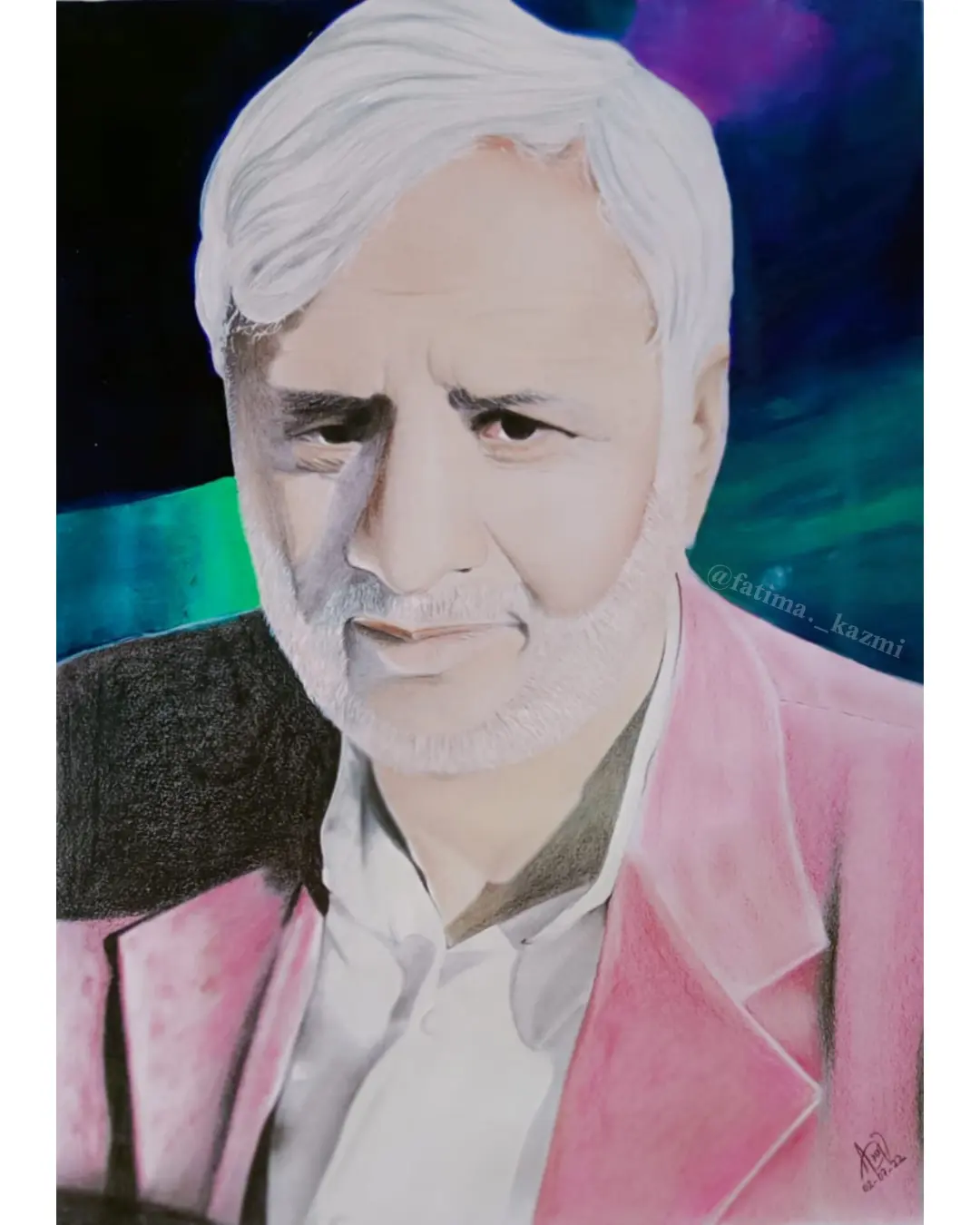
The most common question I get before an order is not about price or timing — it is "which style should I choose?" It is a good question, because pencil and paint do genuinely different things to the same photo. Here is how I explain it to my own customers, with no sales talk.
What pencil does best
Graphite is where my heart lives, and it is the medium I would choose for pure likeness. A black-and-white pencil portrait strips away color so that everything depends on light, shadow and texture — skin, hair, the exact catchlight in an eye. It feels timeless in the way old family photographs do. If the person you are gifting appreciates subtlety, or the photo itself is emotional — a grandparent, a memorial piece, a wedding moment — graphite realism is very hard to beat.
Colored pencil sits between the two worlds. It keeps all the fine detail of graphite but adds soft, lifelike color, built up in dozens of thin layers of artist-grade Faber-Castell Polychromos. It is my most-requested style for gift portraits: warm, gentle and true to skin tones. Browse the portraits in my gallery and you will spot the difference immediately.
What acrylic does best
Acrylic on canvas is a different kind of object altogether. Paint has body — you can see brushwork and texture when the light moves across it. Acrylic suits bold, decorative pieces: florals, landmarks, statement art for a living room wall. It reads beautifully from across a room, where pencil rewards you up close. If you want something that behaves like a painting — arriving ready to hang, no frame required — acrylic is your answer.
One honest note: for hyperreal facial likeness, pencil wins. For color, presence and wall impact, paint wins. Neither is "better" — they are different rooms in the same house.
Choosing the size
- A5 — desks, shelves, small nooks. Best for a single face or a small calligraphy piece.
- A4 — the classic gift size. Frames are easy to find everywhere.
- A3 — proper wall presence; ideal for couples or detailed portraits.
- Larger — for families, statement walls and canvas paintings. We agree the exact size together.
The one rule I insist on: give every face room to breathe. Two or more subjects on a small sheet means less detail per face. If you are drawing the whole family, go A3 or larger — you will never regret the extra space.
Still torn?
Spend two minutes in the gallery and notice which pieces you keep scrolling back to — that is usually your answer. And if you are still torn, message me on WhatsApp with your photo and I will tell you honestly which medium will serve it best. Then, when you are ready, the order form shows your price instantly as you pick your style and size.